
For Scientists
Translational Neuroscience Fellowships
The Translational Neuroscience Center aims to help cultivate the next generation of translational scientists focused on childhood brain disorders by sponsoring fellowships for postdoctoral training.
Rosamund Stone Zander Hansjoerg Wyss TNC Fellows
TNC Fellowship Applications are now closed for 2026.
This multidisciplinary post-doctoral training program in translational research for neurodevelopmental disorders provides access to mentorship and resources across the Boston Children’s Hospital from clinicians and basic scientists, as well as collaborators from private industry and public not-for profit organizations. Fellows have opportunities for both preclinical and clinical research, and training in a broad set of skills to pursue independent translational research. Awardees pursue projects designed to facilitate the development of novel therapeutics.
Please see our application guidelines here >.
Neurodevelopmental T32 Fellows
T32 Fellowship Applications now closed for 2026.
The TNC coordinates the T32 Translational Postdoctoral Training in Neurodevelopment Fellowship Program at Boston Children’s Hospital. Funded by the National Institute of Mental Health (NIMH), this fellowship supports researchers who aim to improve or expand their ability to conduct interdisciplinary investigation in translational neuroscience research in neurodevelopment and neurodevelopmental disorders. The T32 program is led by two co-directors (David Glahn, PhD, Psychiatry; Charles Nelson, PhD, Developmental Medicine Center) with a group of 19 highly skilled and successful training faculty from a diverse array of disciplines. The T32 Fellows will form a cohort with the RDCRN Fellowship Program and the NeuroNEXT Fellowship Program. New TNC and T32 Fellows will be recruited biannually and will be mentored through their fellowship training into positions within academia, clinical care and industry at the intersection of translational research for neurodevelopmental disorders.
Fellows hold a joint appointment at Boston Children’s Hospital and Harvard Medical School and enjoy access to the resources of both institutions.
Please see our application guidelines here >.
2026 Neurodevelopmental T32 Fellows
Two exceptional candidates have been awarded the Neurodevelopmental T32 post-doctoral fellowships from the Translational Neuroscience Center.
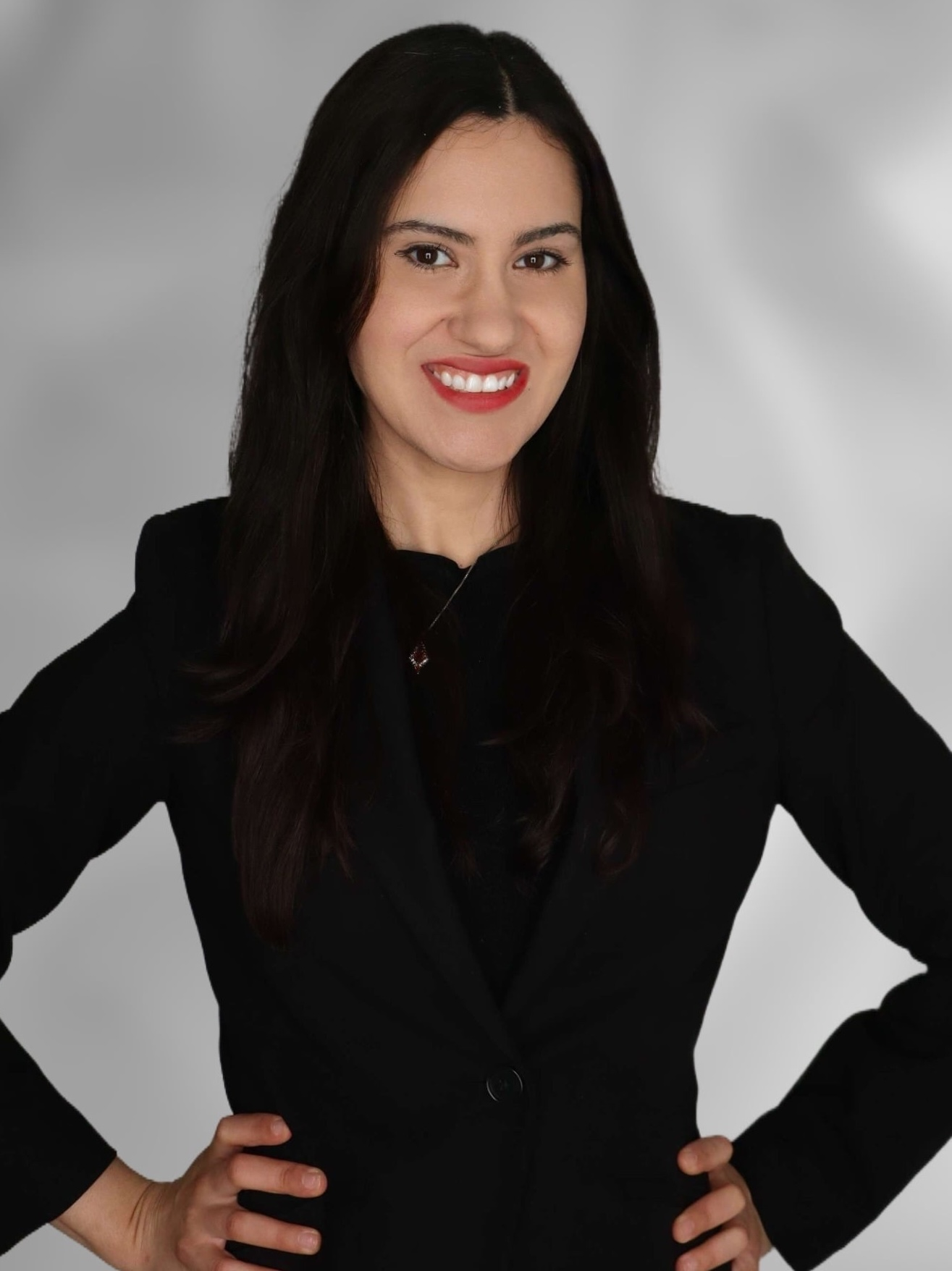
Carolyn Amir, PhD
Dr. Amir completed her PhD under Dr. Carrie Bearden in the University of California, Los Angeles (UCLA) Neuroscience Interdepartmental Program, where she used brain imaging approaches to study substance use and psychiatric disorders. Before her PhD at UCLA, she studied the neural mechanisms of pain and drug use at the National Institutes of Health. She earned her undergraduate degree in Psychological and Brain Sciences at Boston University. Dr. Amir will be working in the Psychiatry Department under Dr. Maria Jalbrzikowski at Boston Children’s Hospital.
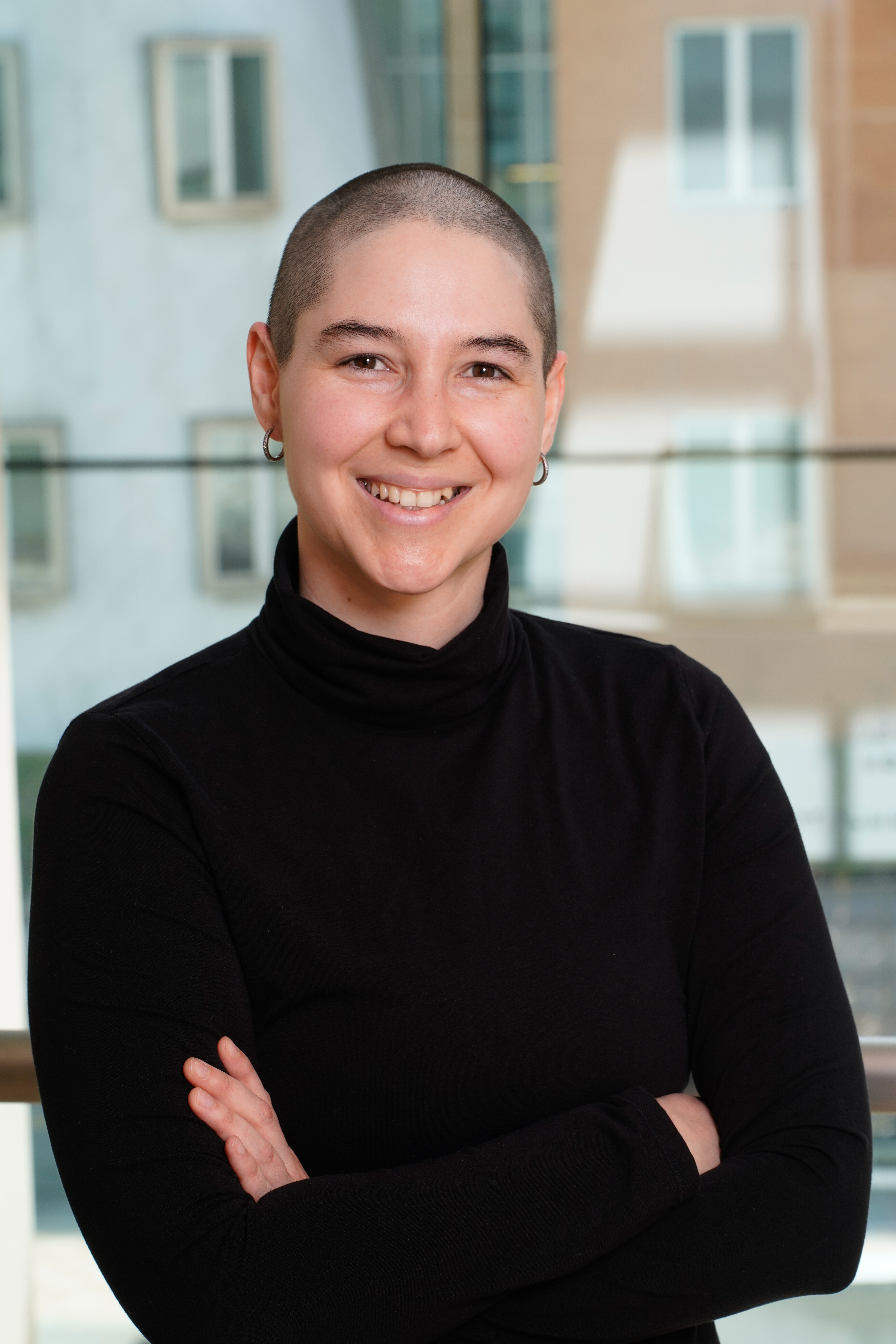
Karla Alejandra Montejo, PhD
Dr. Montejo received a B.S. in Biomedical Engineering, with a minor in Chemistry, from Florida International University and a PhD in Neuroscience and Statistics from MIT. Their graduate research examined how neurometabolic mechanisms work together with network suppression to produce the EEG burst-suppression state under anesthesia. As a T32 postdoctoral fellow, Dr. Montejo aims to develop models of thalamocortical maturation in early childhood that help explain the distinct EEG signatures seen in autism and Down syndrome. Their long-term goal is to develop EEG-based markers of human brain states that deepen our understanding of neurodevelopmental and psychiatric differences and help guide how they are evaluated. Dr. Montejo will be working in the Laboratories of Cognitive Neuroscience in the Division of Developmental Medicine at Boston Children’s Hospital. Their mentor is Carol Wilkinson, MD, PhD.
2026 Rosamund Stone Zander Hansjoerg Wyss TNC Fellows
These two outstanding candidates were chosen for their qualifications and ambitious research proposals. Each will have the opportunity to build translational research projects with the mentorship of leaders in their fields, and will leverage the full depth and breadth of resources at the TNC and BCH throughout their two-year fellowship program.
Kwangjun Lee, PhD
Dr. Lee recently completed his PhD in Biomedical Sciences at Florida state university, where he studied the molecular mechanisms of circadian rhythms and sleep disorders by generating and characterizing core clock gene mutant cell lines and mouse models. During his doctoral research, he became fascinated by the precision and therapeutic potential of genome editing tools, which led him to pursue a postdoctoral fellowship dedicated to developing gene editing therapies for neuromuscular disease. His fellowship project will engineer base editing strategies targeting the molecular drivers of amyotrophic lateral sclerosis (ALS) and spinal muscular atrophy (SMA). He will focus on engineering temporally controlled AAV expression systems to improve the safety of in vivo gene editing therapeutics. Dr. Lee is mentored by Dr. Mandana Arbab in the F.M. Kirby Neurobiology Center and Department of Medicine.
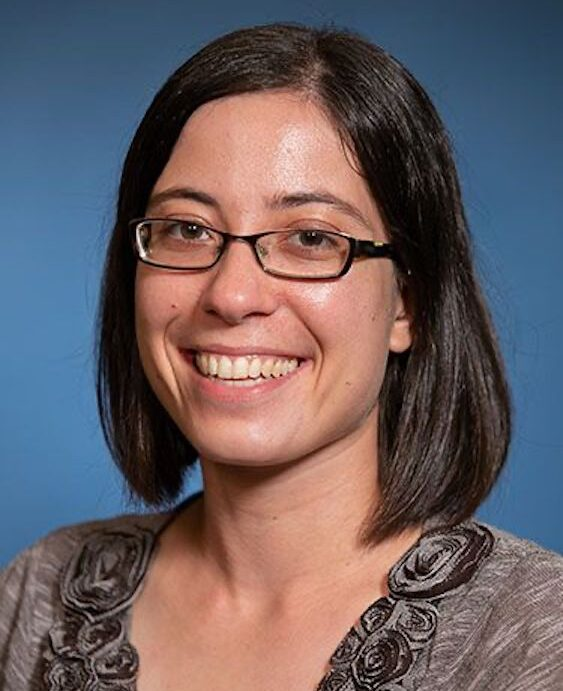
Lindsay Romo, MD, PhD
Dr. Romo received a bachelors in brain and cognitive sciences from MIT followed by an MD PhD in cell biology at UMass Medical School under the mentorship of Neil Aronin, during which she showed that the shorter and more pathogenic Huntingtin mRNA polyadenylation isoform is increased in disease patient brains. She then completed pediatrics residency at BCH while conducting research at the MIT Burge lab investigating how to incorporate regulatory annotations to improve the clinical interpretation of noncoding variants. Shen then finished a medical biochemical and clinical genetics fellowship at BCH, during which she joined the O’Donnell-Luria lab to apply her research into pathogenic noncoding variants to patient cohorts. Her TNC fellowship project is to identify potentially treatable noncoding causes of neurodevelopmental and neuromuscular disease within the Rare Genomes Project. She aspires to utilize her research and patient-care expertise to enhance both clinical genetics and basic science research at the TNC.
2025 Neurodevelopmental T32 Fellows
Two exceptional candidates have been awarded the Neurodevelopmental T32 post-doctoral fellowships from the Translational Neuroscience Center.
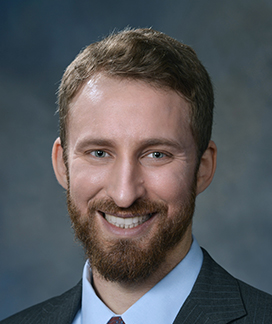
Callison Alcott, MD, PhD
Dr. Alcott completed his MD-PhD training at Baylor College of Medicine under the mentorship of Huda Zoghbi, during which he demonstrated that NUDT21 haploinsuffiency is associated with intellectual disability in humans, causes learning deficits in mice, and leads to misregulated alternative polyadenylation in human stem cell-derived neurons. He subsequently completed a combined pediatrics and child neurology residency at Boston Children’s Hospital, where he is currently a behavioral neurology and neuropsychiatry fellow.
His T32 fellowship project is to identify resting EEG biomarkers of neurodevelopmental disorders using machine learning. He is mentored by April Levin, MD, in the Department of Neurology at Boston Children’s Hospital and Brandon Westover, MD, PhD in the Department of Neurology at Beth Israel Deaconess Medical Center.
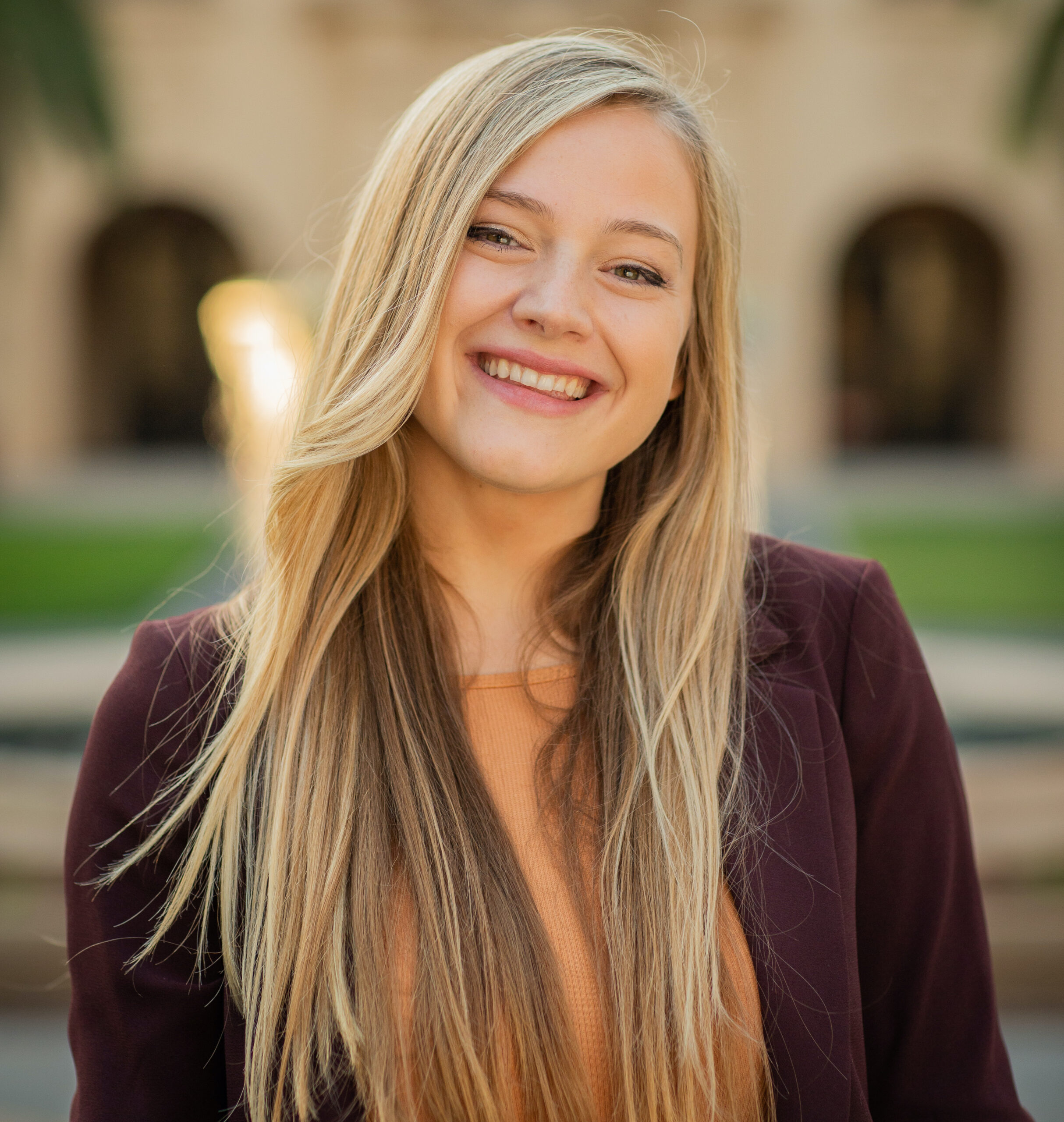
Bailey Holt-Gosselin, PhD
Dr. Holt-Gosselin completed her Ph.D. in Neuroscience at Yale University, where she identified neurobiological and environmental risk factors for psychopathology among youth at high familial risk for depression. Prior to Yale, she conducted research at Stanford University on brain mechanisms underlying depression and anxiety. Dr. Holt-Gosselin’s research program aims to elucidate effects of caregiver-related early life adversity on brain development and mental health, and identify protective factors that buffer against poor outcomes. She is mentored by Dr. Charles Nelson at Boston Children’s Hospital and Harvard Medical School.
2024 Neurodevelopmental T32 Fellows
Two exceptional candidates have been awarded the Neurodevelopmental T32 post-doctoral fellowships from the Translational Neuroscience Center.
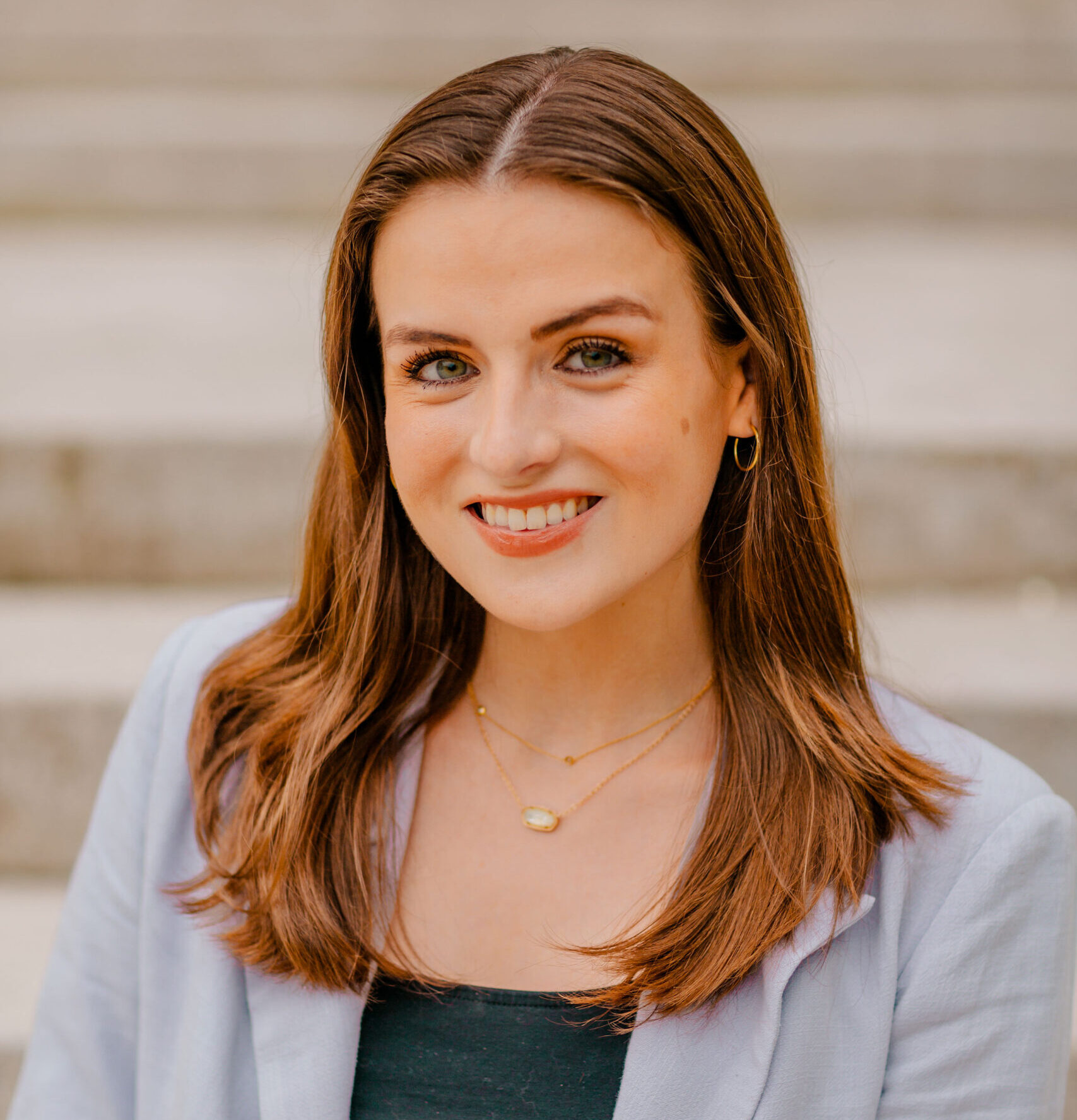
Kacie Dunham-Carr, PhD
Dr. Dunham-Carr received her PhD in Neuroscience from Vanderbilt University, where her doctoral research was funded by an F31 from the National Institutes of Health. Her research focuses on neural mechanisms of altered sensory processing as measured by electroencephalography (EEG) in autism. Her T32 work focuses on identifying EEG biomarkers of baseline neural circuit activity and sound processing differences in children with neurodevelopmental disorders. She is mentored by Dr. April Levin, as well as Dr. Chuck Nelson and Dr. Carol Wilkinson.
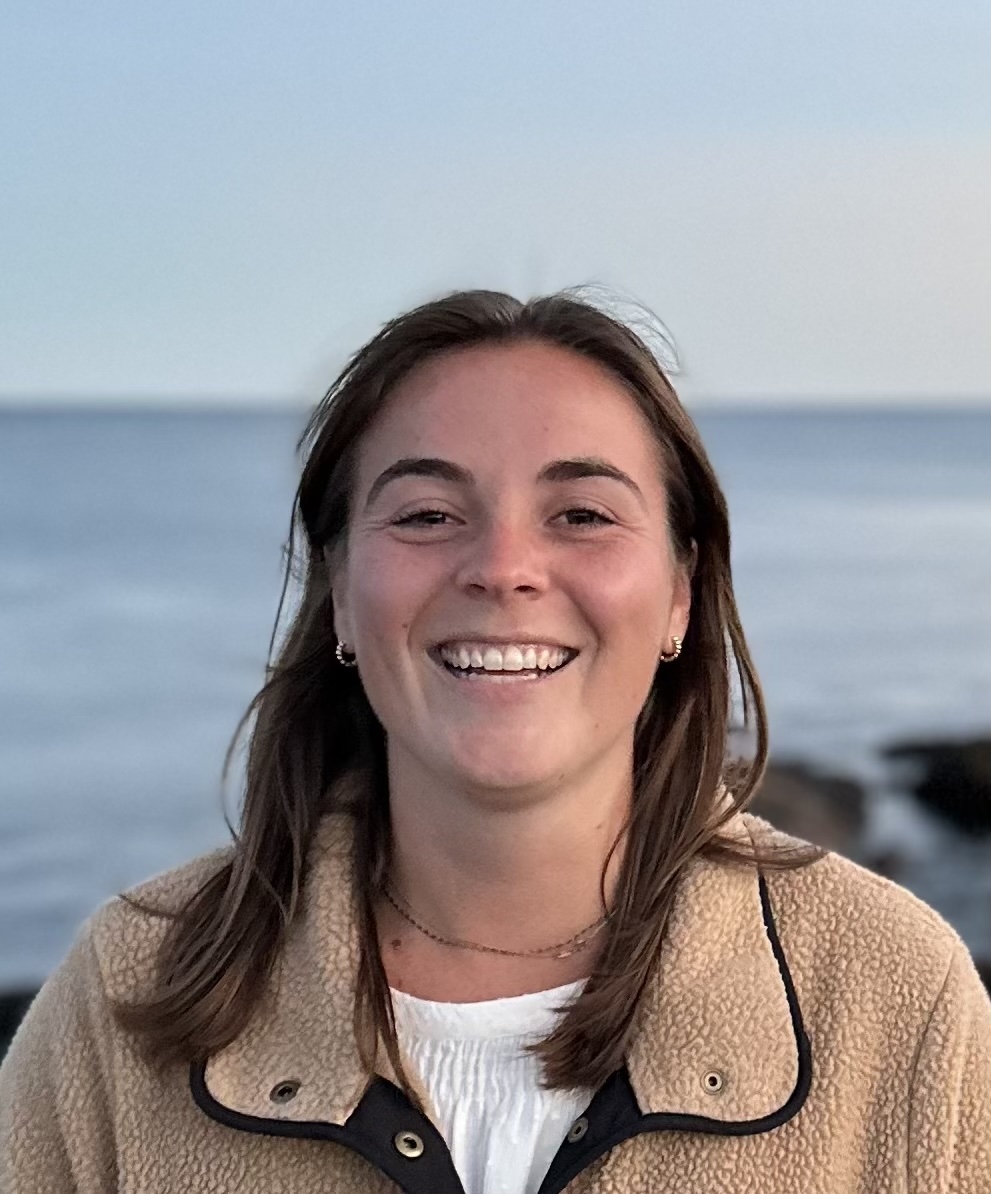
Eileen Sullivan, PhD
Dr. Sullivan earned her PhD in Human Development, Learning, and Teaching from the Harvard Graduate School of Education. Her doctoral studies employed neuroimaging techniques including EEG and fNIRS to investigate links among children’s early adverse experiences, brain development, and cognitive outcomes. Eily’s T32 fellowship is focused on examining the effects of nutrition and parenting programs on a wide range of developmental outcomes, as well as identifying early predictors of later cognitive outcomes. She is mentored by Dr. Charles A. Nelson within the Labs of Cognitive Neuroscience at Boston Children’s Hospital.
2023 Neurodevelopmental T32 Fellows
Two exceptional candidates have been awarded the Neurodevelopmental T32 post-doctoral fellowships from the Translational Neuroscience Center.
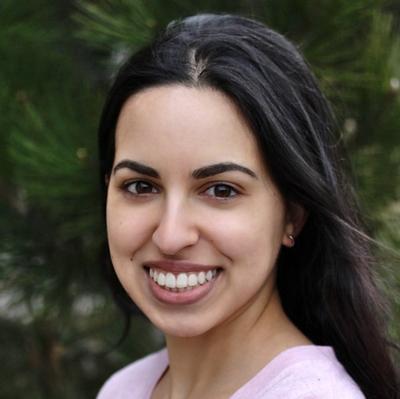
Sanna Lokhandwala, PhD
Dr. Lokhandwala recently completed her PhD in Psychological & Brain Sciences at the University of Massachusetts, Amherst. Her work focuses on understanding the mechanistic role of sleep in brain development and cognitive function during early childhood. Sanna’s T32 fellowship project aims to track the direction of and examine the relationship between the brain and sleep in adolescents. Furthermore, Dr. Lokhandwala is interested in examining how these trajectories may relate to psychopathology during this period in development. She is mentored by Drs. Maria Jalbrzikowski and Takao Hensch.
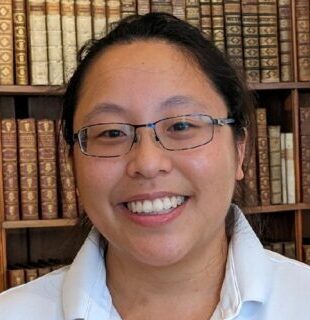
Ruby Lam, PhD
Dr. Lam earned her PhD in neuroscience from Brown University as part of the graduate partnership program with the National Institute of Health. Throughout her doctoral studies, she conducted research on the cells and molecules involved in somatosensation under the guidance of Dr. Alexander Chesler. Her T32 fellowship is dedicated to understanding the neuromodulatory influences of Norepinephrine on sensory-motor phenotypes in rodent models of the neurodevelopmental disorder Rett syndrome. Dr. Lam is mentored by Dr. Mriganka Sur in the Department of Brain and Cognitive Sciences at the Massachusetts Institute of Technology.
2023 Rosamund Stone Zander Hansjoerg Wyss TNC Fellows
These two outstanding candidates were chosen for their qualifications and ambitious research proposals. Each will have the opportunity to build translational research projects with the mentorship of leaders in their fields, and will leverage the full depth and breadth of resources at the TNC and BCH throughout their two-year fellowship program.
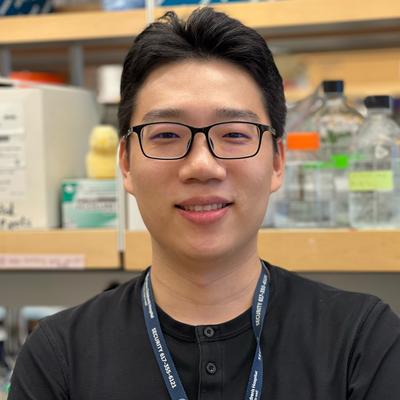
Chen Ding, PhD
Dr. Ding recently completed his PhD in Neuroscience at Yale University, where he studied axon regeneration and axon degeneration in the model organism C. elegans in the lab of Dr. Marc Hammarlund. During his PhD research, he became fascinated by the role of mitochondria in neurodegeneration. His fellowship project will focus on developing gene therapy approaches for autosomal dominant optic atrophy, a childhood disease caused by the important mitochondrial protein OPA1. His long-term career goal is to become an independent neuroscientist who accelerates the translation of basic research on neurodegenerative diseases to therapeutics. Dr. Ding is mentored by Dr. Thomas Schwarz in the Department of Neurobiology and the F.M. Kirby Neurobiology Center.
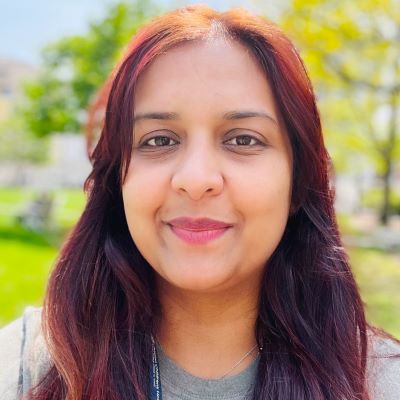
Sneham Tiwari, PhD
Dr. Tiwari recently completed her PhD in Biomedical sciences at Herbert Wertheim College of Medicine at Florida International University. Her PhD focused on understanding aging-related neuropathologies and targeting them with efficient and bioavailable drug delivery systems. She is fascinated by understanding the neurological disorders and factors involved in the abnormal functioning of the brain and translation in patients’ symptoms. Currently, she is a post-doctoral research fellow in the Department of Neurology at Boston Children’s Hospital and Harvard Medical School, where she is pursuing her passion, studying epilepsy genetics with an emphasis on cellular mosaicism. Her fellowship project will be focused on studying somatic mutations occurring in genes of the mTOR pathway, targeting important genes that affect brain development. Her long-term career goal is to become an independent neuroscientist and focus on deciphering mechanisms underlying neurological disorders and translating towards high throughput drug screening and targeted efficient bioavailable therapeutics development to enhance patients’ quality of life. Dr. Tiwari is mentored by Dr. Annapurna Poduri in the F.M. Kirby Neurobiology Center and Department of Neurology.
2022 Neurodevelopmental T32 Fellows
Three outstanding candidates have been awarded the inaugural Neurodevelopmental T32 post-doctoral fellowships from the Translational Neuroscience Center.
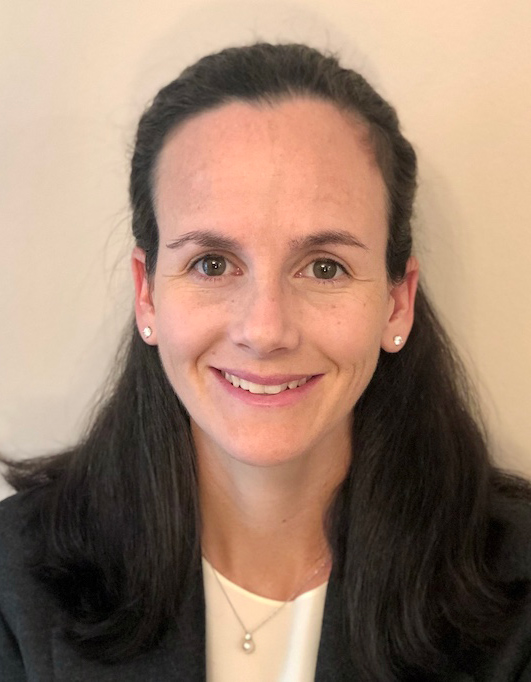
Anna Duncan, MD
Dr. Duncan is a neonatologist at Massachusetts General for Children and an Instructor in Pediatrics at Harvard Medical School. She is an expert in neurodevelopmental disorders, with extensive previous work in developmental neurobiology, molecular genetics, embryology, and genetics. Her fellowship project aims to use zebrafish to examine how loss of KDM4B function alters neurodevelopment and behavior. Dr. Duncan is mentored by Dr. Annapurna Poduri of Boston Children’s Hospital’s Neurology department.
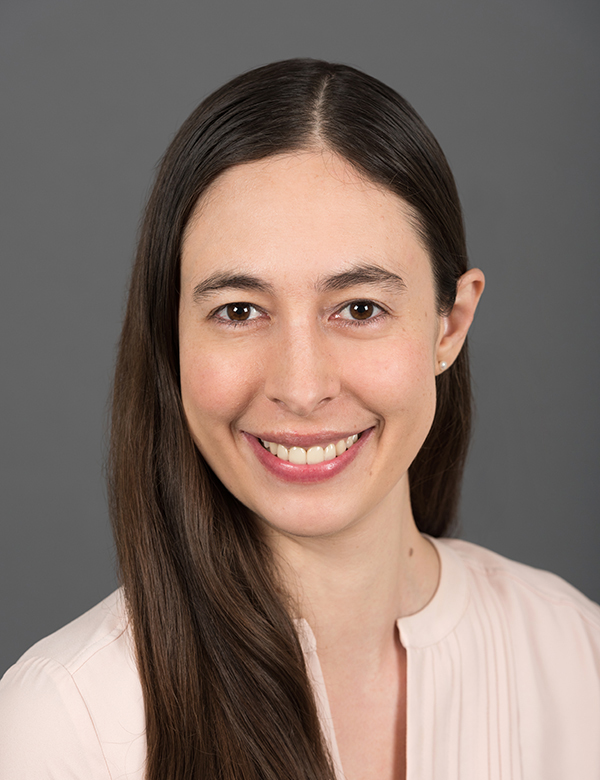
Isabel Haviland, MD
Dr. Haviland is a research fellow in the department of neurobiology of Boston Children’s Hospital and Harvard Medical School, where she is focused on clinical research in CDKL5 deficiency disorder (CDD) and pediatric epilepsy genetics. She has participated in collaborations exploring treatment approaches to CDD and methods of precision diagnosis in neurodevelopmental disease and the high impact of genetic testing in this population.
Her T32 fellowship is focused on expanding genotype-phenotype correlations in CDD and SCN2A-related disorders, two early-life developmental and epileptic encephalopathies with a wide spectrum of presentation. She is mentored by Dr. Heather Olson of Boston Children Hospital’s Neurology department.
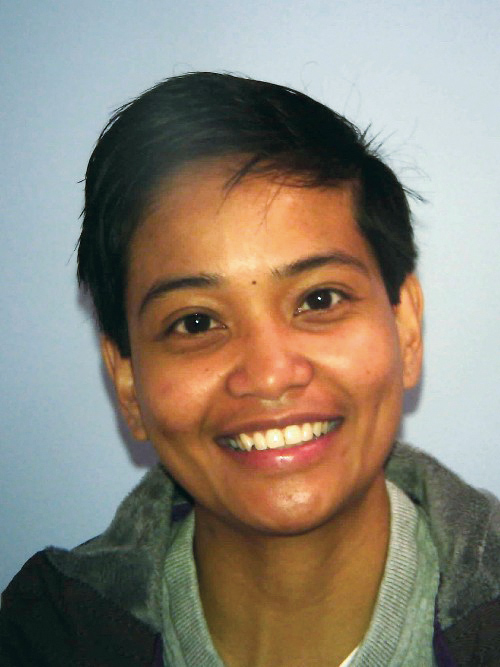
Sheryl-Anne Vermudez, PhD
Dr. Vermudez recently completed her PhD in pharmacology at Vanderbilt University and is currently a research fellow in the F.M. Kirby Neurobiology Center at Boston Children’s Hospital investigating the role of Kv3.1 potassium channels in parvalbumin (PV) interneuron dysfunction and acquired epilepsy using an epileptogenic mouse fluid percussion model.
Her T32 fellowship project aims to provide insights into the outstanding questions regarding mechanisms of and effective treatments for acquired epilepsy by understanding the role of Kv3.1 potassium channels and PV interneuron dysfunction, in turn elucidating KCNC1-mediated epilepsy and potential treatment strategies. Dr. Vermudez is co-mentored by Drs. Mustafa Sahin and Alexander Rotenberg of Boston Children’s Hospital’s Neurology department.
2021 Rosamund Stone Zander Hansjoerg Wyss TNC Fellows
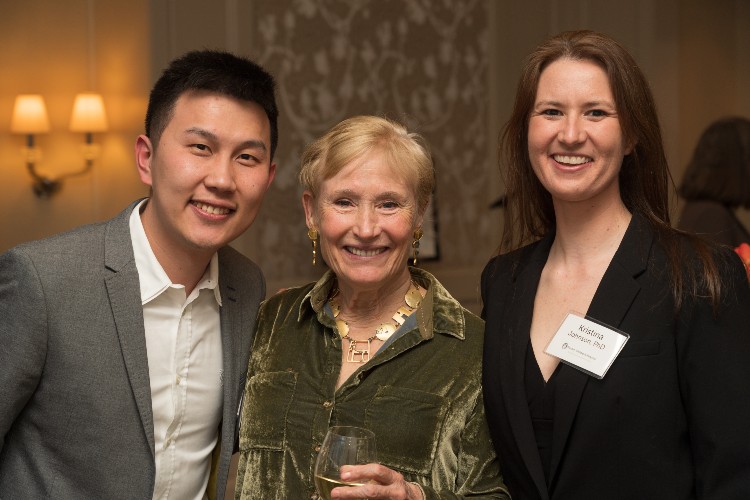
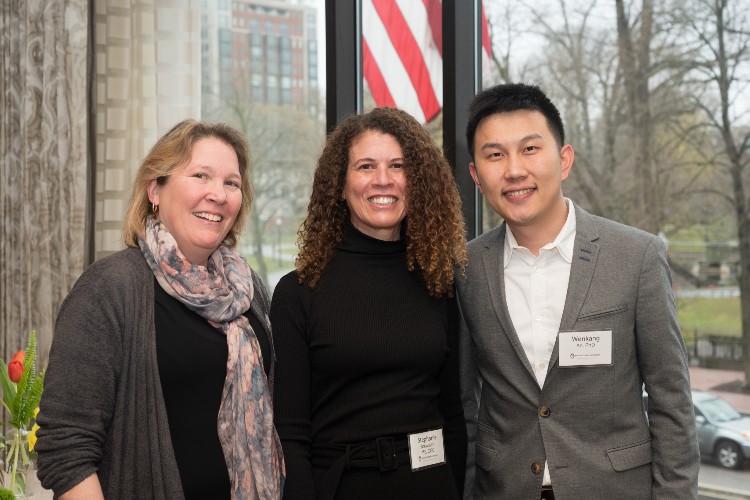
Two extraordinary candidates have been awarded the first-ever post-doctoral fellowships from the Translational Neuroscience Center.
Wenkang “Winko” An, PhD
Dr. An recently completed his PhD in Electrical and Computer Engineering at Carnegie Mellon University. He trained as an electrical and biomedical engineer with specializations in signal processing, machine learning and non-invasive neuroimaging methods. His long-term career goal is to become an independent developmental neuroscientist/neuroengineer, studying the neural mechanisms underlying neurodevelopmental disorders. He hopes to develop diagnostic and treatment solutions using engineering concepts.
His fellowship project applies advanced EEG signal processing in children with ASD related disorders. Dr. An is mentored by Drs. Charles Nelson and Carol Wilkinson from the Laboratories for Cognitive Neuroscience in the Department of Developmental Medicine.
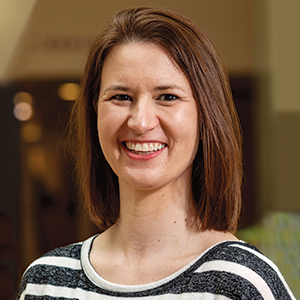
Kristina “Kristy” Teresa Johnson, PhD
Dr. Johnson completed her PhD in the MIT Media Lab during the summer of 2021. She worked at the intersection of neuroscience, engineering, and autism in the laboratory of Dr. Rosalind Picard. Her research experience includes multi-disciplinary techniques ranging from deep brain stimulation and fMRI neuroimaging to wearable biosensors and human-centered AI systems.
Her fellowship project is focused on the integrated analysis of multi-modal data stemming from the Rare Disease Clinical Research Network Developmental Synaptopathies Consortium. Her long-term career goal is to accelerate research focused on improving the lives of individuals with complex neurodevelopmental differences, especially those who have few spoken words, genetic disorders, or intellectual disabilities. She is mentored by Dr. Mustafa Sahin in the Department of Neurology and Kirby Neurobiology Center.
Fellowship Application Guidelines
TNC Fellowship
2026 Application Cycle is now closed.
Applications should be submitted by February 9, 2026. An application should consist of the following documents listed below, in PDF format, to our Submittable application form:
- Applicant’s CV
- Applicant’s statement (maximum total of 4 pages) about research interest and/or proposed project plan. The statement should also include:
- An explanation of why the applicant has chosen this particular training program
- A Career Plan, such as the new or enhanced skills and knowledge to be acquired as a result of the proposed award as well as short-term and long-term career development goals
- A summary of the applicant’s past experiences and explains how these experiences have contributed to personal and professional growth
- Letter written by the applicant’s mentor who is a TNC affiliate faculty member
- 2 additional support letters written by co-mentors or collaborators
- List of trainee’s other support (needs at least 50% availability)
For more information about this unique 2-year fellowship, please click here to read our TNC Fellowship Infosheet >. For a full list of faculty mentors, see our TNC Affiliate Faculty page >. Further inquiries can also be made by reaching out to us directly at tnc@childrens.harvard.edu.
Neurodevelopmental T32 Fellowship
2026 Application Cycle is now closed.
Applications should be submitted by March 13, 2026, with the expectation that trainees will be selected by April 30, 2026 and will start as early as July 2026.
To apply for the T32 Fellowship, applicants should first consult the list of potential mentors and confirm he/she is willing to serve as primary mentor. Applicants must be U.S. citizens or permanent residents with an MD and/or PhD (must be completed at the time training begins). Commitment to the goals of the program and strong academic and research credentials are important criteria used in the selection process.
Applicants should submit one PDF to T32translationaldevelopment@childrens.harvard.edu and include the following:
- Applicant’s CV
- Two-Page Statement of Research Interest, specifying the interdisciplinary nature of the work, and purpose in selecting the T32 training program.
- Names and contact information of two potential Reference Letter Writers
After an initial screening, we will select a group of Finalists who will:
- Appear for a personal interview
- Provide two letters of support (one from trainee’s mentor), and
- Mentor’s other support document
For more information about this NIH-funded 1-year fellowship and a full list of faculty mentors, please click here to read our T32 Fellowship Infosheet >. Further inquiries can be made by reaching out to T32Translationaldevelopment@childrens.harvard.edu.